
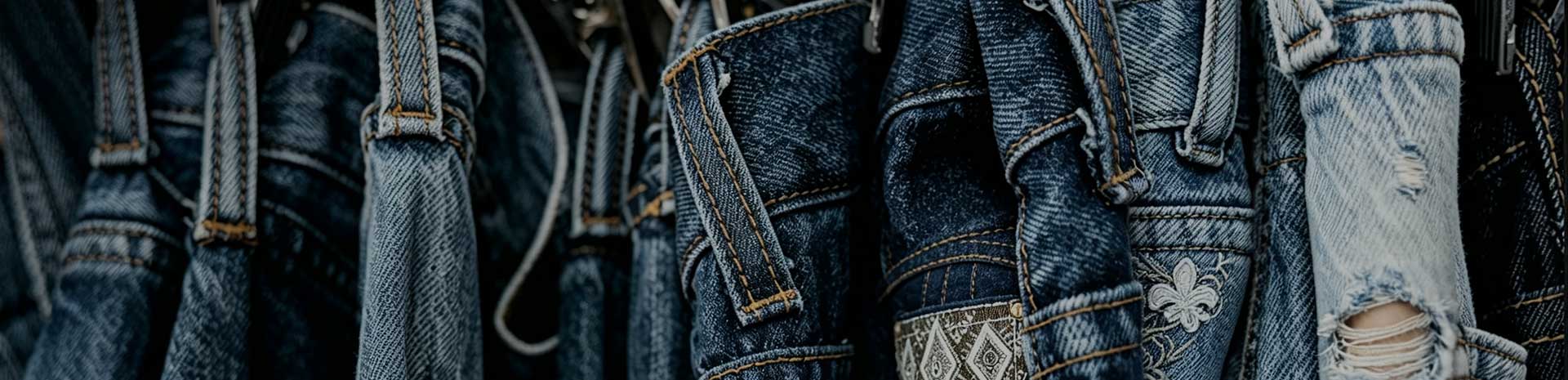
Distressed Denim Shorts vs Classic Denim Shorts: Which Style Is Better for Summer Collections?
Distressed denim shorts suit summer collections emphasizing expressive fashion, vintage effects, and casual streetwear. Classic denim shorts are generally better for brands prioritizing clean styling, versatile outfits, and continuing assortments. The stronger wholesale choice depends on customer preferences, fabric performance, finishing costs, and seasonal inventory demand.
What Is the Difference Between Distressed Denim Shorts and Classic Denim Shorts?
The main difference is the treatment of the denim surface and the finished garment's visual appearance.
Distressed denim shorts incorporate intentional abrasion, frayed edges, fading, or fabric openings to create a worn appearance. Classic denim shorts generally maintain a cleaner surface with limited decorative damage.
Both styles can use similar fabrics, rises, inseam lengths, pocket constructions, and hardware.
A distressed finish does not necessarily include holes. Light abrasion, whiskering, and raw hems can create a distressed appearance without large fabric openings.
Classic denim shorts can also undergo washing and softening while retaining a relatively clean finish.
| Comparison Factor | Distressed Denim Shorts | Classic Denim Shorts |
|---|---|---|
| Main Appearance | Worn, faded, frayed, or ripped | Clean, understated, or traditionally washed |
| Summer Positioning | Fashion casualwear, vintage styling, streetwear | Everyday casualwear and classic denim |
| Common Finishing | Abrasion, fraying, localized fading, openings | Rinsing, controlled fading, clean hems |
| Fabric Options | Rigid or stretch denim | Rigid or stretch denim |
| Typical Design Focus | Visible surface treatments | Fit, wash shade, and garment proportions |
| Manufacturing Complexity | May require additional finishing operations | Depends on fabric and construction |
| Quality-Control Focus | Distressing placement and fabric integrity | Seam quality, shade, measurements, finishing |
| Repeat Orders | Require approved distressing references | Require approved shade and construction references |
| Wholesale Consideration | Customer demand for decorative treatments | Customer demand for restrained styling |
For manufacturers, the correct comparison should use finished garments with clearly defined fabric and construction specifications.
Why Are Distressed Denim Shorts Suitable for Summer Fashion Collections?
Distressed denim shorts can support summer collections that emphasize relaxed styling and visible garment treatments.
Features such as frayed hems, localized abrasion, and vintage fading create a distinctive appearance.
These details may suit fashion brands seeking products that differ visually from conventional clean-finish denim.
For example, a light-wash short with a frayed hem communicates a different styling direction from a dark indigo short with a clean hem.
The distinction can be useful when building a collection with several denim options.
However, distressed details do not automatically make a garment more suitable for hot weather.
Comfort depends on fabric construction, garment fit, coverage, and finishing.
Similarly, a distressed appearance does not guarantee stronger sales.
For wholesale buyers, the product should be selected according to actual customer preferences and the brand's intended visual identity.
Why Do Classic Denim Shorts Work Well in Summer Casualwear?
Classic denim shorts provide a familiar garment appearance that can be incorporated into different casualwear collections.
Their restrained finishing allows brands to emphasize fit, fabric, color, and construction.
A clean-finish short may be developed with a high waist, mid-rise waistband, relaxed leg opening, or Bermuda-length silhouette.
These variations create different products without requiring pronounced distressing.
For example, medium-wash classic denim shorts may suit an everyday casualwear collection.
Dark-wash Bermuda shorts may support a more understated styling direction.
For retailers, classic shorts can provide a consistent product category when customers prefer clean denim.
However, the absence of distressing does not automatically make a product higher quality or easier to sell.
Manufacturing accuracy, fabric performance, and customer demand remain essential.
Which Style Better Matches Different Fashion Brand Positions?
The better style depends on the brand's visual identity and target customers.
Distressed denim shorts can support collections emphasizing worn effects and expressive finishing.
Classic denim shorts may be more suitable for brands prioritizing restrained styling and familiar garment construction.
| Brand Positioning | Potential Product Choice | Main Consideration |
|---|---|---|
| Streetwear | Distressed Shorts | Visible abrasion and decorative details |
| Vintage-Inspired Fashion | Distressed or Lightly Distressed Shorts | Wash character and worn appearance |
| Minimalist Casualwear | Classic Shorts | Clean surface and simple construction |
| Everyday Denim | Classic or Lightly Distressed Shorts | Customer preferences |
| Resort and Holiday Fashion | Either | Climate, styling, and coverage |
| Private Label Fashion | Either or Both | Brand identity |
| Wholesale Distribution | Based on Sales Data | Inventory turnover and repeat orders |
These are merchandising considerations rather than verified market rankings.
A streetwear brand can successfully sell classic shorts, while a minimalist collection may include subtle distressing.
Wholesale buyers should evaluate the complete garment instead of relying only on style labels.
Are Distressed Denim Shorts More Comfortable in Hot Weather?
Distressed denim shorts are not automatically cooler or more comfortable than classic denim shorts.
Fabric weight, fiber composition, weave construction, garment fit, and finishing influence the wearing experience.
A ripped area may reduce coverage locally, but this does not establish better overall breathability or comfort.
For example, a heavyweight distressed short may feel different from a lightweight classic short.
Likewise, a fitted stretch-denim short may behave differently from a relaxed rigid-denim design.
The garment's inseam and leg opening also affect comfort.
For manufacturers, the appropriate fabric should be selected according to the intended summer product.
For wholesale buyers, comfort should be evaluated through finished-garment samples rather than assumptions about distressing.
Which Denim Fabric Is Better for Distressed Shorts?
Distressed denim shorts can use rigid or stretch denim, provided the selected finishing process is compatible with the material.
Rigid denim may create a pronounced woven texture when abraded.
Stretch denim can provide additional flexibility, particularly in fitted silhouettes.
However, distressing stretch denim requires attention to the elastic components.
Heavy abrasion may damage yarns and affect the behavior of the treated area.
For example, a distressed opening near the upper thigh may respond differently during movement depending on the fabric's extension and recovery.
Manufacturers should evaluate the treatment on the intended production fabric.
The appropriate material depends on the target appearance, garment fit, and agreed performance requirements.
For wholesale buyers, a fabric should not be approved solely because its composition matches the requested specification.
The finished distressed garment must also meet the intended quality requirements.
Which Denim Fabric Is Better for Classic Shorts?
Classic denim shorts can be manufactured using rigid or stretch denim.
Rigid denim may support a structured silhouette, while stretch denim can provide additional flexibility in fitted designs.
The better choice depends on the intended rise, thigh width, leg opening, and wearing experience.
For example, relaxed classic denim shorts may use rigid denim when the pattern provides sufficient ease.
Fitted high-waisted shorts may use stretch denim when controlled extension contributes to movement.
However, stretch fabric does not automatically produce better comfort.
The garment pattern must still fit correctly.
For manufacturers, fabric weight and finishing influence the final appearance.
For wholesale buyers, the selected fabric should be evaluated together with the approved pattern and wash.
Does Denim Weight Affect Summer Shorts Performance?
Denim weight influences the garment's structure and hand feel, but it does not independently determine summer comfort.
For some lightweight summer denim developments, fabrics around 8–11 oz may be considered as an initial sourcing range.
Other shorts designs may use heavier denim to achieve a more structured appearance.
These figures are illustrative development options, not universal manufacturing requirements.
A lighter fabric does not automatically provide better breathability.
Fiber composition, weave density, finishing, and garment fit also influence the wearing experience.
For distressed shorts, fabric weight can affect how abrasion and frayed edges appear.
For classic shorts, weight can influence the garment's drape and silhouette.
Wholesale buyers should approve the actual fabric rather than relying only on the nominal ounce weight.
How Are Distressed Denim Shorts Manufactured?
Distressed denim shorts are manufactured using standard garment construction combined with selected finishing operations.
The production sequence depends on the intended distressing technique.
Some treatments may be performed before garment washing, while others may be applied afterward.
Common development options include localized abrasion, controlled fabric openings, whiskering, fading, and frayed hems.
For example, a distressed design may require abrasion at a specified position on the front leg panel.
The manufacturer should establish the treatment location using measurements from agreed garment reference points.
A photograph alone may not provide sufficient information.
The production team should also evaluate how washing changes the appearance of the treated area.
For bulk production, an approved finished sample should establish the intended distressing effect.
The objective is to maintain the approved design character while controlling unacceptable variation.
How Are Classic Denim Shorts Manufactured?
Classic denim shorts follow a garment production process involving fabric inspection, pattern development, cutting, sewing, washing or finishing, and final inspection.
The construction may include a waistband, belt loops, front pockets, back pockets, a fly closure, and finished leg hems.
The exact details depend on the approved design.
Classic shorts generally do not require the same intentional damage treatments used for heavily distressed styles.
However, clean construction can make sewing defects more visible.
For example, uneven hem stitching may be noticeable on a dark-wash short with contrasting thread.
Pocket alignment and waistband symmetry also influence the finished appearance.
For manufacturers, consistent construction is important even when the garment has few decorative details.
For wholesale buyers, the approved sample should establish the fit, shade, stitching, and finishing requirements.
What Distressing Techniques Are Common for Summer Denim Shorts?
Several techniques can create different distressed appearances.
The appropriate treatment depends on the fabric, garment design, and desired visual result.
| Distressing Technique | Intended Appearance | Manufacturing Consideration |
|---|---|---|
| Raw Hem | Unfinished or frayed leg edge | Control fraying and finished length |
| Localized Abrasion | Worn fabric surface | Monitor yarn damage |
| Knee or Thigh Openings | Intentional fabric openings | Placement and remaining fabric integrity |
| Whiskering | Wear-inspired faded lines | Consistent placement and appearance |
| Vintage Fading | Aged denim color | Shade and fading distribution |
| Frayed Pocket Edges | Worn pocket details | Pocket attachment and seam strength |
| Patch Details | Layered or repaired appearance | Patch attachment and construction |
For denim shorts, raw hems and localized abrasion can create visible differences without requiring large fabric openings.
However, every treatment should be evaluated against the intended garment quality.
Wholesale buyers should specify the desired technique rather than using only the general term distressed.
Do Frayed Hems Create Manufacturing Challenges?
Frayed hems require careful control because the intended appearance includes exposed or loosened yarns.
Unlike a conventional folded hem, a raw hem may continue changing with wear and laundering.
The extent of fraying depends on fabric construction and finishing.
For manufacturers, the approved sample should establish the intended frayed appearance.
Where necessary, the design may include a control stitch or another construction detail to limit further unraveling.
However, no treatment should be described as permanently preventing all fraying without supporting evidence.
The finished length must also be measured consistently.
A heavily frayed edge can make measurement less straightforward than a conventional stitched hem.
For wholesale buyers, the technical package should clarify the measurement reference and acceptable appearance.
Does Distressing Reduce Fabric Strength?
Distressing can reduce fabric strength in treated areas when abrasion or cutting damages yarns.
The effect depends on treatment intensity, fabric construction, and location.
Light surface fading may have a different structural effect from a large intentional opening.
For example, heavy abrasion near a pocket attachment point may require additional evaluation.
However, distressed denim shorts are not automatically unsuitable for everyday wear.
Their performance depends on the selected material and construction.
ISO 13934-1 provides a method for evaluating fabric tensile properties using the strip method.
ISO 13937-2 addresses tear force using the trouser-shaped specimen method.
These methods evaluate specific material properties under defined conditions.
They do not independently establish the performance of every distressed garment feature.
For wholesale buyers, appropriate testing should be combined with finished-garment inspection.
Which Distressing Locations Need Greater Quality Control?
Distressing near areas exposed to repeated tension requires careful evaluation.
For denim shorts, these may include the crotch, upper thigh, pocket corners, and side seams.
The importance of each location depends on garment fit and construction.
For example, a large distressed opening close to the crotch may interact with an area exposed to movement and tension.
Abrasion near a front pocket may affect pocket attachment or fabric integrity.
For manufacturers, treatment placement should be established using the approved pattern.
The technical package should specify the location, approximate dimensions, and acceptable variation.
For wholesale production, inspection should distinguish intentional decorative damage from unacceptable structural defects.
A distressed area should match the approved design without compromising agreed garment performance.
Are Distressed Denim Shorts More Expensive to Manufacture?
Distressed denim shorts may cost more than comparable classic shorts when additional abrasion, fraying, washing, or manual finishing operations are required.
However, this is not universally true.
A lightly distressed short may require fewer processing resources than a classic design using premium fabric and complex finishing.
The total garment cost depends on fabric price, cutting, sewing, washing, distressing, inspection, and packaging.
For example, two shorts may share the same base fabric, rise, inseam, and hardware.
If one requires additional abrasion and raw-hem processing, those operations may increase production costs.
The actual difference should be calculated using the approved specifications.
| Cost Component | Distressed Denim Shorts | Classic Denim Shorts |
|---|---|---|
| Base Fabric | Depends on specification | Depends on specification |
| Cutting | Standard or design-specific | Standard or design-specific |
| Sewing | Depends on garment construction | Depends on garment construction |
| Additional Distressing | May be required | Usually limited |
| Washing | Depends on target finish | Depends on target finish |
| Inspection | Includes distressing consistency | Focuses on clean construction |
| Packaging | According to buyer requirements | According to buyer requirements |
For wholesale buyers, a higher manufacturing cost should be evaluated against customer demand and expected retail margins.
Can Classic Denim Shorts Have Higher Production Costs?
Yes. Classic denim shorts can have higher production costs when they use more expensive fabrics, hardware, or construction details.
For example, a clean-finish short made from premium denim may cost more than a basic distressed short using a lower-cost material.
Specialized washing, embroidery, contrast stitching, and customized hardware can also increase expenses.
The absence of visible distressing does not mean the garment is inexpensive to produce.
For manufacturers, cost calculations should reflect the complete garment specification.
For wholesale buyers, quotations should be compared using equivalent fabrics, sizes, washes, and order quantities.
The commercial value of a design should not be judged solely by the number of decorative operations.
Which Style Is Easier to Maintain During Bulk Production?
Classic denim shorts may involve fewer variables related to intentional fabric damage.
Their production controls generally focus on garment measurements, sewing quality, shade, and finishing consistency.
Distressed shorts require these controls plus inspection of decorative treatments.
For example, a raw-hem short may need consistent fraying intensity across production batches.
A ripped design may require control of opening dimensions and placement.
However, intentional distressing often includes natural-looking irregularity.
The objective is not necessarily to make every treated area visually identical.
Instead, the manufacturer should establish acceptable variation based on the approved sample.
For wholesale buyers, clear references help reduce disagreements during bulk inspection.
Both styles can be manufactured consistently when their specifications are properly defined.
How Does Washing Affect Distressed and Classic Denim Shorts?
Washing influences the finished appearance and dimensions of both styles.
Distressed shorts may require additional attention because washing can change frayed edges, abrasion effects, and fabric openings.
Classic shorts require control of shade, shrinkage, hand feel, and seam appearance.
The selected process should match the base fabric and intended garment design.
For example, a distressed raw hem may become more visibly frayed after washing.
A classic folded hem should retain the approved construction and appearance.
Both styles should be evaluated for dimensional changes.
ISO 5077 provides a method for determining dimensional changes after specified washing and drying procedures.
ISO 105-C06 can be used to assess colorfastness to laundering.
For wholesale production, the approved finished sample should establish the intended result.
Which Wash Colors Work Better for Summer Denim Shorts?
Both distressed and classic denim shorts can be developed in dark, medium, light, or black washes.
The appropriate shade depends on brand positioning and customer preferences.
Light-wash distressed shorts may create a worn, vintage-inspired appearance.
Medium-wash classic shorts may provide a familiar casual denim look.
Dark-wash classic shorts can support understated styling.
However, a dark wash does not automatically make a garment less suitable for summer.
The wearing experience depends on fabric construction, garment fit, and environmental conditions.
For manufacturers, each wash should be approved using a physical reference.
For wholesale buyers, color selection should reflect the intended collection rather than assumptions about seasonal popularity.
Which Style Works Better with High-Waisted and Mid-Rise Shorts?
Both distressed and classic finishes can be combined with high-waisted or mid-rise patterns.
The choice depends on the intended silhouette.
High-waisted distressed shorts may emphasize a defined waist and worn surface treatments.
Mid-rise classic shorts may provide a more conventional casualwear appearance.
However, other combinations are equally possible.
For example, a high-waisted classic short may suit a minimalist collection.
A mid-rise distressed short may support vintage-inspired styling.
For manufacturers, rise and distressing are separate design variables.
The waistband and crotch construction should be developed according to the intended fit.
Distressing placement should then be established using the approved pattern.
Wholesale buyers should approve the complete garment rather than selecting rise and finishing independently.
Which Style Works Better with Different Shorts Lengths?
Distressed and classic finishes can be applied to short inseams, mid-thigh lengths, and Bermuda shorts.
However, the final appearance depends on the garment proportions.
| Shorts Length | Distressed Direction | Classic Direction |
|---|---|---|
| Short Inseam | Raw hems, abrasion, vintage fading | Clean hems, classic washes |
| Mid-Thigh | Controlled distressing and casual styling | Everyday denim styling |
| Bermuda Length | Utility-inspired or vintage treatments | Understated longer shorts |
| Relaxed Longer Shorts | Frayed details and worn effects | Clean, relaxed silhouette |
These are design possibilities rather than fixed retail rules.
For example, heavy distressing on very short shorts may create a different coverage effect from the same treatment on Bermuda shorts.
The manufacturer should evaluate treatment placement relative to the finished inseam.
For wholesale buyers, the approved sample should confirm both the intended appearance and garment coverage.
Which Style Is Better for Private Label Fashion Brands?
The better choice depends on the brand's visual identity and target customers.
Distressed shorts may support brands emphasizing decorative finishing and expressive styling.
Classic shorts may suit brands prioritizing clean construction and familiar denim appearance.
Both styles offer OEM and ODM customization opportunities.
Distressed shorts can be customized through abrasion placement, frayed hems, fading, and intentional openings.
Classic shorts can be customized through fit, wash shade, stitching, pockets, and hardware.
For example, a private-label brand may develop high-waisted distressed shorts with a light wash and raw hem.
Another may produce mid-rise classic shorts with dark indigo fabric and branded buttons.
At LOVEU JEANS, our team can discuss both product directions according to the buyer's reference samples, denim specifications, measurement charts, and private-label requirements.
How Should Brands Plan Summer Inventory Between Both Styles?
Summer inventory planning should reflect actual customer demand, product pricing, and the intended selling period.
Brands should not automatically divide order quantities equally between distressed and classic shorts.
A retailer with strong demand for decorative denim may prioritize distressed styles.
Another retailer may achieve better results with clean-finish products.
For new collections, a controlled initial assortment can help evaluate customer response.
Relevant purchasing information includes:
Historical sales by finishing style.
Customer preferences.
Size distribution.
Return rates.
Expected retail margins.
Inventory turnover.
Reorder frequency.
Production and shipping lead times.
For wholesale buyers, seasonal delivery timing is particularly important.
A summer product delivered after the intended selling period may create inventory pressure regardless of its design.
Which Style Is Easier to Reorder Consistently?
Both styles can support repeat orders when their materials and production specifications remain available.
Classic shorts require consistent control of fabric, shade, measurements, and construction.
Distressed shorts require these same controls plus detailed finishing references.
For example, a repeat order of ripped denim shorts should reproduce the approved treatment location and overall appearance.
However, intentional distressing may contain acceptable visual variation.
The manufacturer should document these limits.
For wholesale buyers, physical samples, technical drawings, and approved photographs can support repeat-order consistency.
Changes in fabric construction or washing processes may require additional sampling.
The better replenishment product is the one supported by customer demand and repeatable manufacturing specifications.
What Quality-Control Differences Matter Most?
Distressed and classic denim shorts share general inspection requirements.
Both need accurate measurements, suitable fabric quality, consistent sewing, and approved washing.
However, distressed shorts require additional attention to intentional damage and decorative finishing.
| Quality-Control Item | Distressed Denim Shorts | Classic Denim Shorts |
|---|---|---|
| Waist and Hip Measurements | Required | Required |
| Rise and Inseam | Required | Required |
| Pocket Construction | Required | Required |
| Distressing Placement | Critical | Generally not applicable |
| Frayed-Hem Appearance | Where applicable | Usually not applicable |
| Fabric Integrity | Important around treated areas | General fabric performance |
| Seam Quality | Required | Required |
| Wash Shade | Required | Required |
| Post-Wash Shrinkage | Required | Required |
| Colorfastness | As specified | As specified |
| Hardware and Labels | Required | Required |
For wholesale production, the inspection plan should distinguish approved decorative effects from unacceptable defects.
A frayed edge may be intentional on distressed shorts but unacceptable on a clean-finish product.
Clear specifications help maintain consistent quality expectations.
What Should Buyers Include in an OEM Denim Shorts Technical Package?
A complete technical package should identify the garment's fit, fabric, washing, and finishing requirements.
For distressed shorts, additional information should define the treatment type and placement.
| Technical Parameter | Buyer Specification |
|---|---|
| Shorts Style | Distressed or classic |
| Rise | High-waisted, mid-rise, or other approved fit |
| Inseam | Approved finished measurement |
| Leg Opening | Approved dimensions |
| Fabric | Composition, weight, stretch characteristics |
| Wash Shade | Approved physical reference |
| Distressing Type | Abrasion, fraying, fading, or openings |
| Distressing Placement | Measured from agreed reference points |
| Hem Construction | Folded, raw, frayed, or other design |
| Pocket Construction | Dimensions and placement |
| Hardware | Buttons, zippers, rivets |
| Branding | Labels, embroidery, packaging |
| Quality Requirements | Agreed inspection and testing criteria |
For example, a buyer may propose a placement tolerance of ±5 mm for a selected decorative feature.
This is an illustrative development requirement rather than a universal manufacturing standard.
The appropriate tolerance depends on the treatment and garment design.
The approved finished sample should remain the primary visual reference.
Should Summer Collections Include Both Distressed and Classic Shorts?
A summer collection can include both styles when they serve different customer preferences.
Distressed shorts may provide fashion-oriented variations.
Classic shorts can offer a cleaner alternative.
For example, a brand may carry light-wash distressed shorts alongside medium-wash classic shorts.
The two products can share similar patterns and branded hardware while maintaining different finishing treatments.
However, stocking both categories is not automatically necessary.
Brands with limited inventory budgets may prefer to focus on the products with stronger demonstrated demand.
For wholesale production, each finishing style should be approved separately.
Different washing and distressing processes may affect garment measurements and appearance.
How Can Retailers Evaluate Which Style Has Better Sales Potential?
Retailers should compare actual product performance rather than assuming distressed or classic shorts are universally more popular.
Sales potential depends on customer preferences, fit, pricing, product presentation, and seasonal timing.
A useful comparison should include sell-through rates, returns, reorder requests, and inventory turnover.
When possible, retailers should compare products with similar fabrics, rises, inseams, and retail prices.
This helps reduce the influence of unrelated design differences.
However, even closely matched products may perform differently because of photography, merchandising, or customer exposure.
For wholesale buyers, initial sales results can provide evidence for future purchasing decisions.
A product should be expanded when customer demand supports the investment.
Distressed Denim Shorts vs Classic Denim Shorts: Which Style Is Better for Summer Collections?
Distressed denim shorts are generally suitable for summer collections emphasizing vintage effects, streetwear, and expressive fashion.
Classic denim shorts are appropriate for brands prioritizing clean styling, familiar construction, and everyday casualwear.
Neither style is universally more comfortable, profitable, or easier to sell.
The better choice depends on customer preferences, fabric selection, manufacturing requirements, and inventory performance.
From a production perspective, distressed shorts require control of decorative treatments and fabric integrity.
Classic shorts require accurate control of clean construction, wash shade, and garment proportions.
Both styles need approved samples, suitable quality-control procedures, and clear technical specifications.
The strongest summer denim shorts collection is not necessarily the most distressed or the most traditional. It is the assortment that matches customer demand while maintaining reliable manufacturing quality.
Develop Custom Distressed and Classic Denim Shorts with LOVEU JEANS
LOVEU JEANS supports denim product development for clothing brands, wholesalers, importers, and distributors seeking customized denim shorts with different fits and finishing treatments.
Our team can discuss distressed denim shorts and classic denim shorts according to your reference samples, preferred fabrics, garment measurements, washing requirements, and private-label details.
Custom development discussions may include high-waisted shorts, mid-rise shorts, Bermuda shorts, raw hems, frayed edges, abrasion treatments, dark washes, medium washes, and branded hardware.
For wholesale projects, buyers can provide their target size charts, fabric specifications, wash references, distressing artwork, and expected order quantities.
These details provide a foundation for sample development, quotation, production planning, and quality inspection.
Contact LOVEU JEANS to discuss custom distressed or classic denim shorts, request a wholesale quotation, and share your OEM/ODM requirements for your next summer collection.